

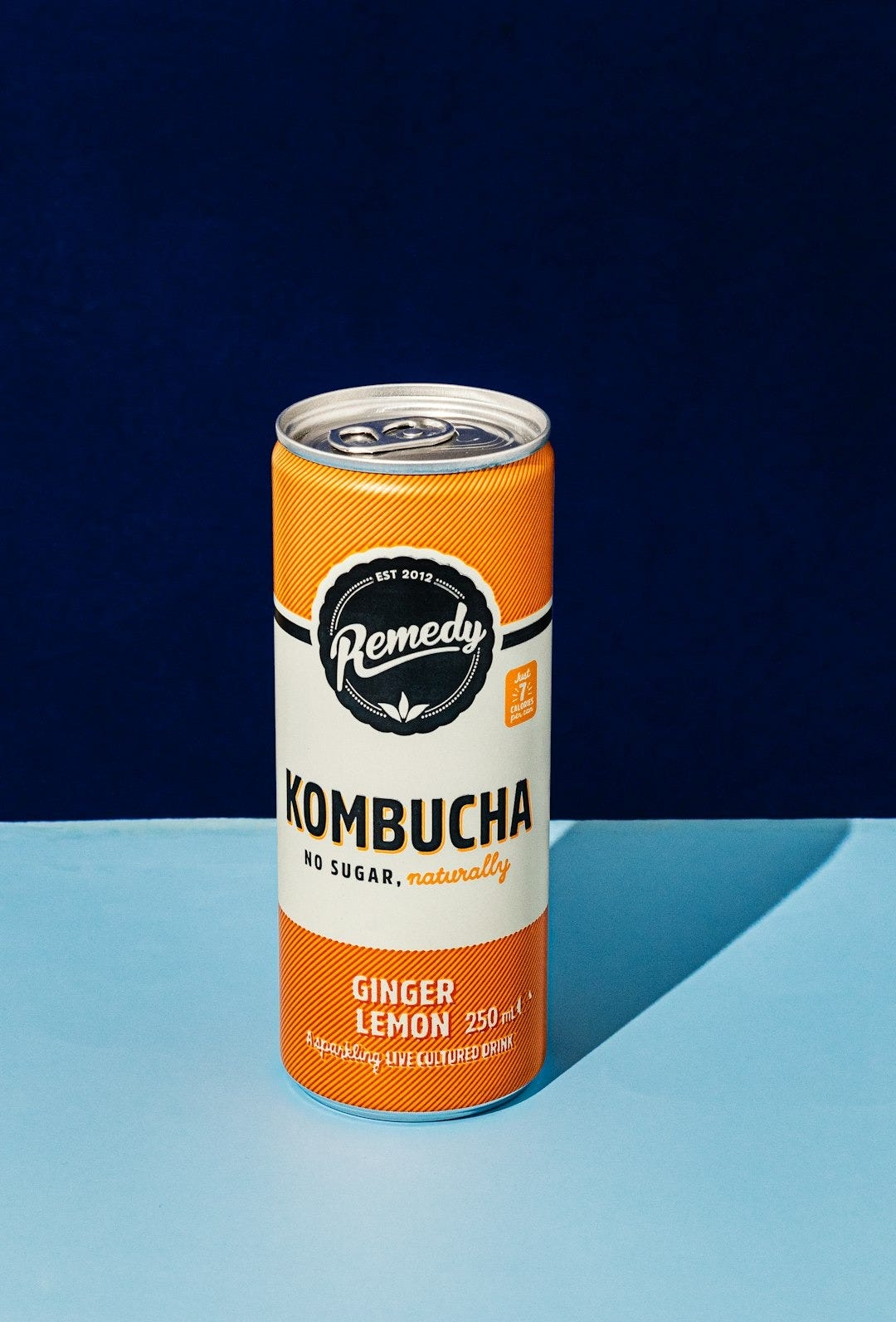
Unusual kombucha flavors include pineapple basil, mango chili, and turmeric honey.
What the legislation does
The KOMBUCHA Act would more than double the alcoholic threshold at which the popular beverage kombucha could be taxed or regulated as “alcohol,” from the current 0.5% to 1.25%.
The acronym KOMBUCHA stands for Keeping Our Manufacturers from Being Unfairly taxed while Championing Health Act. (And yes, that forced acronym only works if such three-letter words as ‘our’ are capitalized, while five-letter words like ‘taxed’ and ‘while’ aren’t.)
The House version was introduced on April 30 by a Democrat and Republican: Reps. Andrea Salinas (D-OR6) and Adrian Smith (R-NE3). The Senate version was introduced that same day by Sen. Ron Wyden (D-OR).
Context
Kombucha is a fermented black tea or green tea beverage which contains trace amounts of alcohol, but nowhere near enough to get a person drunk.
You’d have to drink about 10 kombucha bottles to equal the alcohol of one beer. In the real world, you’ve never been to a party or bar or event where anyone was drinking kombucha to get intoxicated.
Yet under federal law, a beverage is taxed and regulated as “alcoholic” if it contains at least 0.5% alcohol by volume. And very rarely, kombucha can reach that level, since it can continue fermenting even after it’s bottled.
But kombucha usually doesn’t reach 0.5% alcohol by volume. And even on the rare occasions when it does, that’s still nowhere near enough to get anyone intoxicated. For comparison, beer is about 5% alcohol by volume. (And beer isn’t even considered “hard alcohol.”)
What supporters say
Supporters argue that the law should reflect actual consumer habits and various beverages’ actual intoxicating effects (or lack thereof). Here’s what one congressional Republican and one Democrat each had to say.
“Kombucha is an everyday beverage enjoyed for its probiotic benefits, and it shouldn’t be taxed the same as beer or other alcoholic drinks,” Rep. Smith said in a press release. The bill would “update outdated federal tax rules and ensure fair treatment for Nebraska’s small kombucha brewers.”
“A serving of kombucha contains about as much alcohol as an overripe banana, so there’s no reason to tax it like it’s a full-on alcoholic beverage,” Sen. Wyden said in a separate press release. “It’s past time to sober up our tax code and give kombucha producers a fair shake.”
(Rep. Salinas, meanwhile, wrote a pun-filled social media post calling the bill “fermentastic,” “steeped in success,” and “tea-riffic.”)
What opponents say
Opponents counter that the product is taxed like alcohol because… well, it does contain alcohol.
In 2015, Maine’s then-Gov. Paul LePage (R) vetoed a state bill to lower taxes on kombucha.
“Kombucha is a small sub-category of wine. It is alcohol under federal rules and Maine law,” Gov. LePage wrote in his veto message. “There is no defensible public policy reason why this category of alcohol should receive special treatment.”
Kevin Warren, the founder of BNF Kombucha in Eugene, Oregon, told Oregon Public Broadcasting that the federal legislation would presumably make the beverage more accessible to both minors and to adults who are trying to abstain from alcohol. (Though Warren didn’t explicitly advocate against the legislation overall, noting that it had both “pros and cons.”)
Odds of passage
The legislation has been introduced several times in prior Congresses, but actually seen declining cosponsorship over time – with a particularly sharp plummet starting in 2023. It’s unclear why.
No version received a committee vote.
The current Senate version has not yet attracted any cosponsors. It’s been referred to the Senate Finance Committee.
The House version has also not yet attracted any other cosponsors beyond its original one Democrat and one Republican. It’s been referred to the House Ways and Means Committee.